


Quick answer
This guide answers: what weather station is best for gardeners? Cluster overview: Garden & Irrigation.
It is not a Home Assistant buying guide, a full sensors catalog, or a deep irrigation-controller setup manual. Those live in linked specialty guides.
Best overall for gardeners: an Ecowitt stack — start with the GW2001 (WS90 + GW2000) or WS90 plus a gateway you already own — then add WH51 soil probes for beds and zones.
Best for soil moisture expansion: Ecowitt gateway + WH51 probes (channel limits vary by hub/firmware). Details: soil moisture guide.
Best turnkey station: Ambient WS-2902 — outdoor array + color console for daily garden weather checks.
Best premium setup: Ambient WS-5000 — separated sensors, ultrasonic wind, expandable Ambient accessories (verify soil accessory SKUs).
Best for smart irrigation / Rachio: Tempest — all-in-one weather with documented Rachio pairing; no external soil probes. See irrigation guide.
This guide describes documented hardware capabilities, not independent horticultural testing by Atmosiva.
Who this guide is for
- Vegetable beds, borders, lawns, or orchards where rain, frost, heat, and wind change what you do next.
- Gardeners deciding whether they need soil moisture probes or rain totals alone.
- Buyers comparing modular Ecowitt gardens vs turnkey Ambient consoles vs Tempest + Rachio.
Greenhouse-focused setups: greenhouse guide.
Why garden weather matters
A garden weather station helps you act on what is happening at your site, not a city forecast miles away:
- Rainfall — skip watering after real rain on your property
- Temperature & humidity — heat stress and cold nights
- Wind — spray drift, drying, and storm awareness
- Sun / UV / light — shade cloth and heat-load decisions when the array measures them
- Soil moisture (add-on) — root-zone watering when rain on the lawn does not match a dry raised bed
- Frost awareness — watch overnight lows and humid cold snaps (forecasts are still estimates)
You do not need protocols or Home Assistant to benefit — start with readable rain, temp, and wind, then expand.
Stations compared
| Product / Setup | Rain | Temp/Humidity | Wind | Solar/UV | Soil moisture support | Gateway required | Best for |
|---|---|---|---|---|---|---|---|
| GW2001 (WS90 + GW2000) | Yes (WS90) | Yes | Yes | Yes | Via WH51 add-ons | Included | Start-from-scratch Ecowitt garden |
| WS90 | Yes | Yes | Yes | Yes | Via WH51 + gateway | Yes | Expand existing Ecowitt hub |
| GW3000 | Via outdoor sensors | Indoor on gateway; outdoor via sensors | Via sensors | Via sensors | Via WH51 + sensors | Gateway itself | Larger multi-sensor gardens |
| WH51 | No | No | No | No | Yes (probe only) | Yes | Root-zone / multi-zone soil |
| Ambient WS-2902 | Yes | Yes | Yes | Yes | Optional Ambient accessories | Console included | Turnkey garden weather |
| Ambient WS-5000 | Yes | Yes | Ultrasonic | Yes | Optional Ambient accessories | Console included | Premium separated-sensor Ambient |
| Tempest | Yes | Yes | Yes | Yes | No external probes | Hub included | All-in-one + Rachio |
Compare Ambient tiers: WS-2902 vs WS-5000. Modular vs all-in-one: Ecowitt vs Tempest.
Ecowitt for expandable gardens
WS90
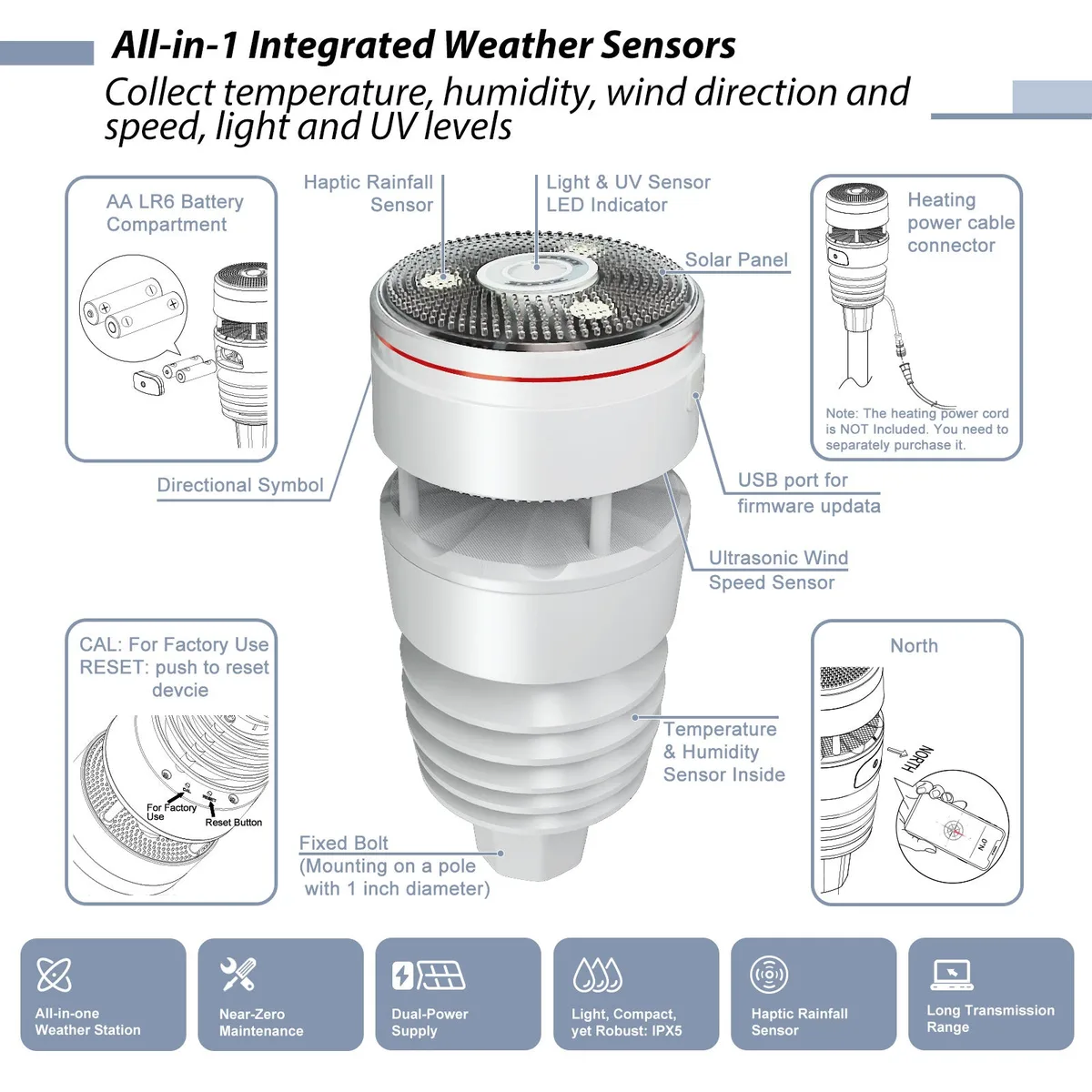
The WS90 is a solid-state outdoor weather sensor (temp, humidity, wind, rain, UV, light). It has no Wi‑Fi or LAN of its own — pair it with a compatible Ecowitt gateway or console.
GW2001 (WS90 + GW2000)
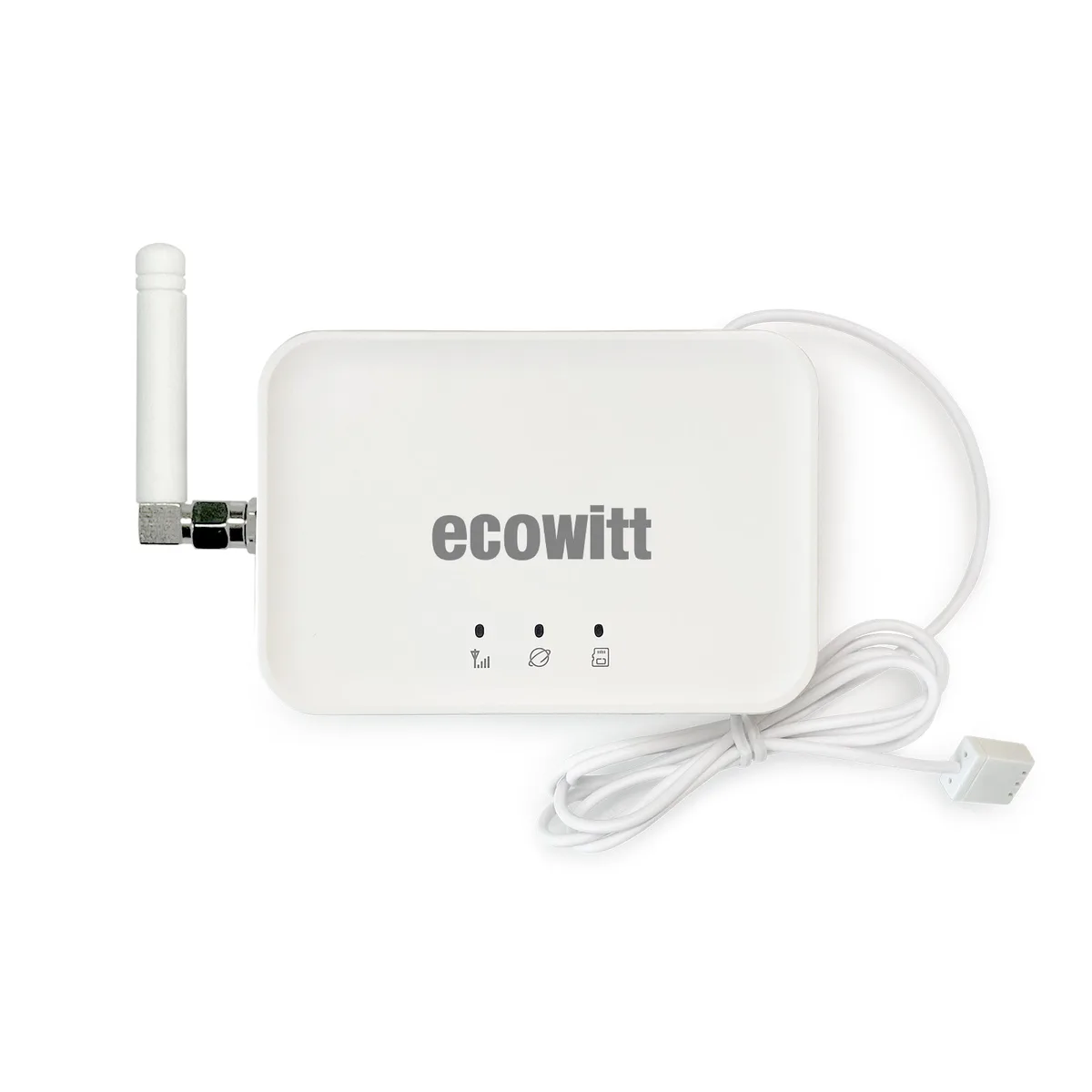
The GW2001 commercial bundle includes the WS90 plus GW2000 (Wi‑Fi + Ethernet). Best complete starting kit for gardeners who want outdoor weather and room to add soil probes later.
GW3000
The GW3000 is gateway-only: Wi‑Fi + Ethernet, microSD logging options, outdoor sensors sold separately. Useful when you are expanding many garden sensors on one hub.
WH51
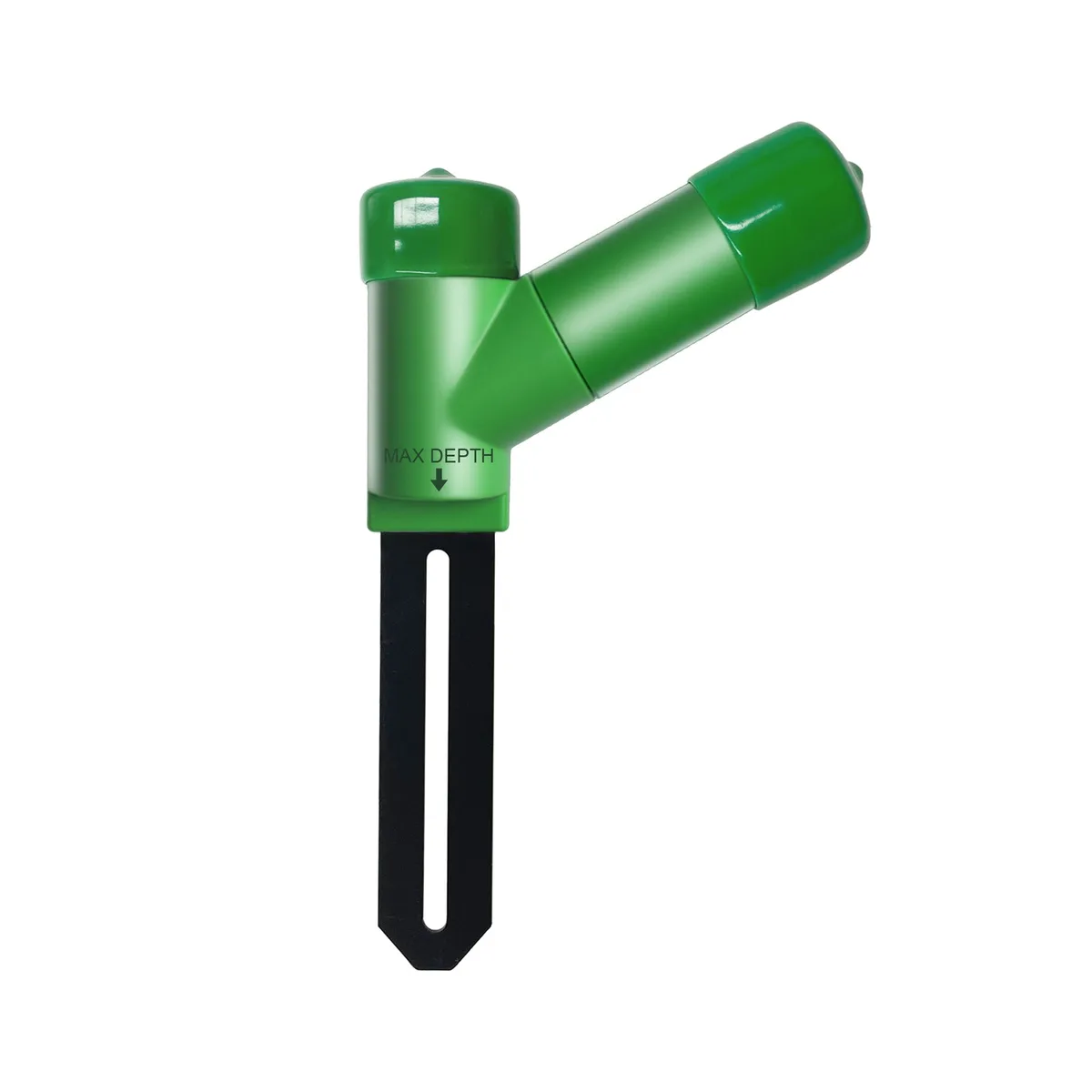
The WH51 is a soil moisture accessory — gateway/console required; no direct Home Assistant, Wi‑Fi, or LAN on the probe. Ideal for root-zone monitoring and multiple beds. Channel limits depend on gateway/console and firmware — do not assume one site-wide channel count.
Automation note: Ecowitt garden automations typically run through the gateway (local / Home Assistant workflows) — not via a native MQTT buying requirement.
Ambient turnkey stations
WS-2902 is a practical turnkey garden weather station with a color console and remote monitoring via AmbientWeather.net.
WS-5000 is the premium Ambient path: separated outdoor sensors, ultrasonic wind, expandable accessory ecosystem. The standard console is Wi‑Fi — do not assume Ethernet. Optional Ambient soil accessories depend on compatible SKUs — verify your console’s accessory list before buying probes.
Fits when: you want a kitchen or shed display and less DIY gateway assembly.
Tempest for all-in-one + Rachio
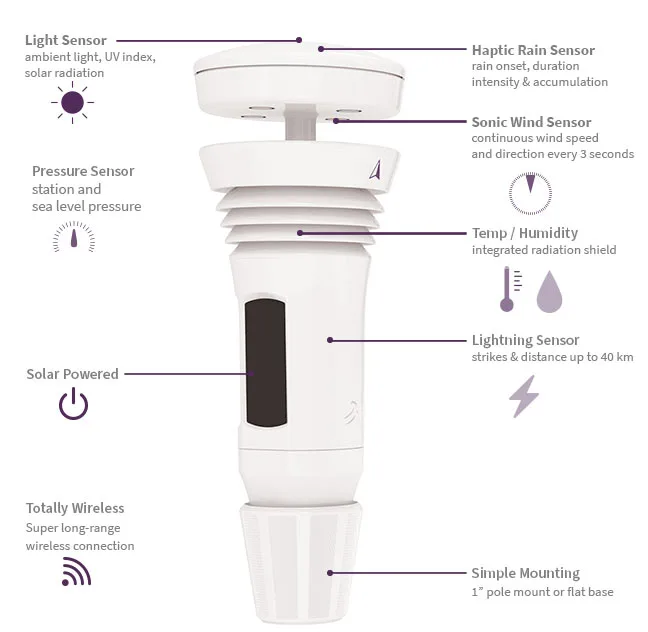
Tempest is an all-in-one outdoor unit with included Wi‑Fi Hub: rain, wind, temp/humidity, pressure, lightning, solar/light/UV. WeatherFlow documents Rachio smart sprinkler integration. It does not support external soil probes — irrigation logic uses station rain (and platform tools), not bed-level moisture.
Atmosiva does not claim Ethernet on the retail hub, and core use does not require a mandatory paid subscription.
Fits when: you want one outdoor unit and already use (or plan) Rachio.
Soil moisture vs station rain
Rain on the weather mast does not tell you whether a raised bed’s root zone is dry. Dedicated probes such as WH51 improve watering decisions when you need per-zone moisture. Pair probes with a compatible hub; see soil moisture guide.
Irrigation automation (secondary)
A weather station does not control sprinklers by itself. Typical paths:
- Tempest → Rachio — documented platform pairing for rain-aware watering
- Ecowitt → gateway → Home Assistant / local workflows — flexible DIY hold-off or valve logic
- Ambient → cloud / IFTTT-style workflows — depends on your controller integrations
Deep dive: irrigation guide.
Frost, greenhouse & microclimates
Use overnight lows and humidity to watch frost risk — do not treat any consumer station as a guaranteed frost predictor. Placement matters: shade temp/humidity sensors, keep rain gauges open to the sky, and separate inside greenhouse probes from the outdoor array. More detail: greenhouse guide.
Buyer checklist
- Decide rain-only watering cues vs soil probes for beds.
- Prefer GW2001 if starting Ecowitt from scratch; add WH51 when you need root-zone data.
- Match RF region (e.g. 915 MHz US) across Ecowitt sensors and gateways.
- If you own Rachio, shortlist Tempest before building custom automations.
- Plan siting — frost and heat decisions fail if sensors bake in sun or sit under eaves.
Related reading
Start from the Garden & Irrigation hub, then branch to soil moisture, irrigation, or greenhouse guides as needed.