

Quick answer
This guide answers: what weather station setup is best for greenhouse monitoring? Hub overview: Garden & Irrigation.
It is not a Home Assistant guide, an irrigation deep-dive, or a full sensor catalog. Related: gardeners, soil moisture, irrigation.
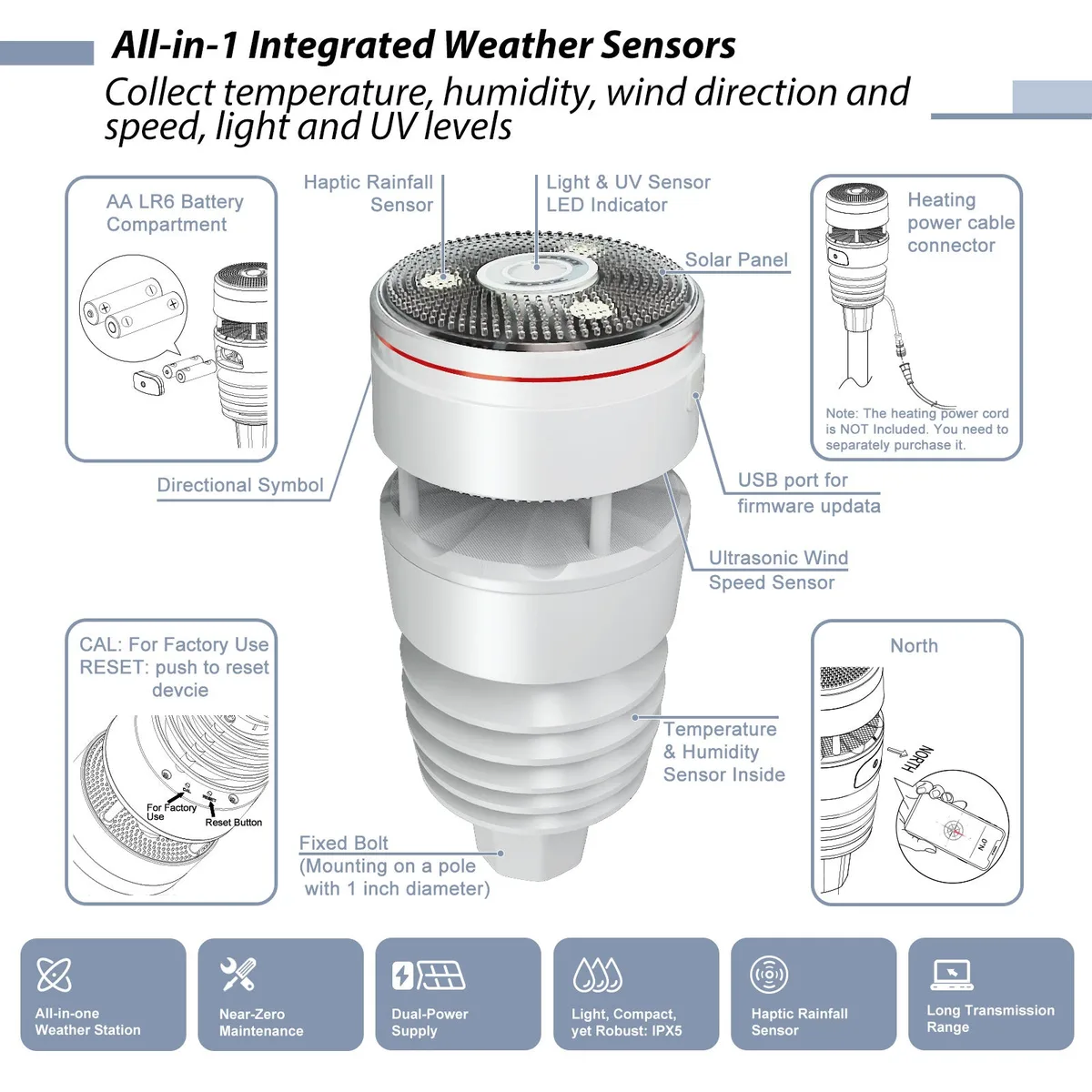
Best overall greenhouse path: Ecowitt outdoor weather (GW2001 or WS90 + gateway) plus compatible multi-channel temperature/humidity sensors inside the house (for example Ecowitt WN31 / WH31-class accessories — verify your gateway’s compatibility table). Optional WH51 for pots and beds.
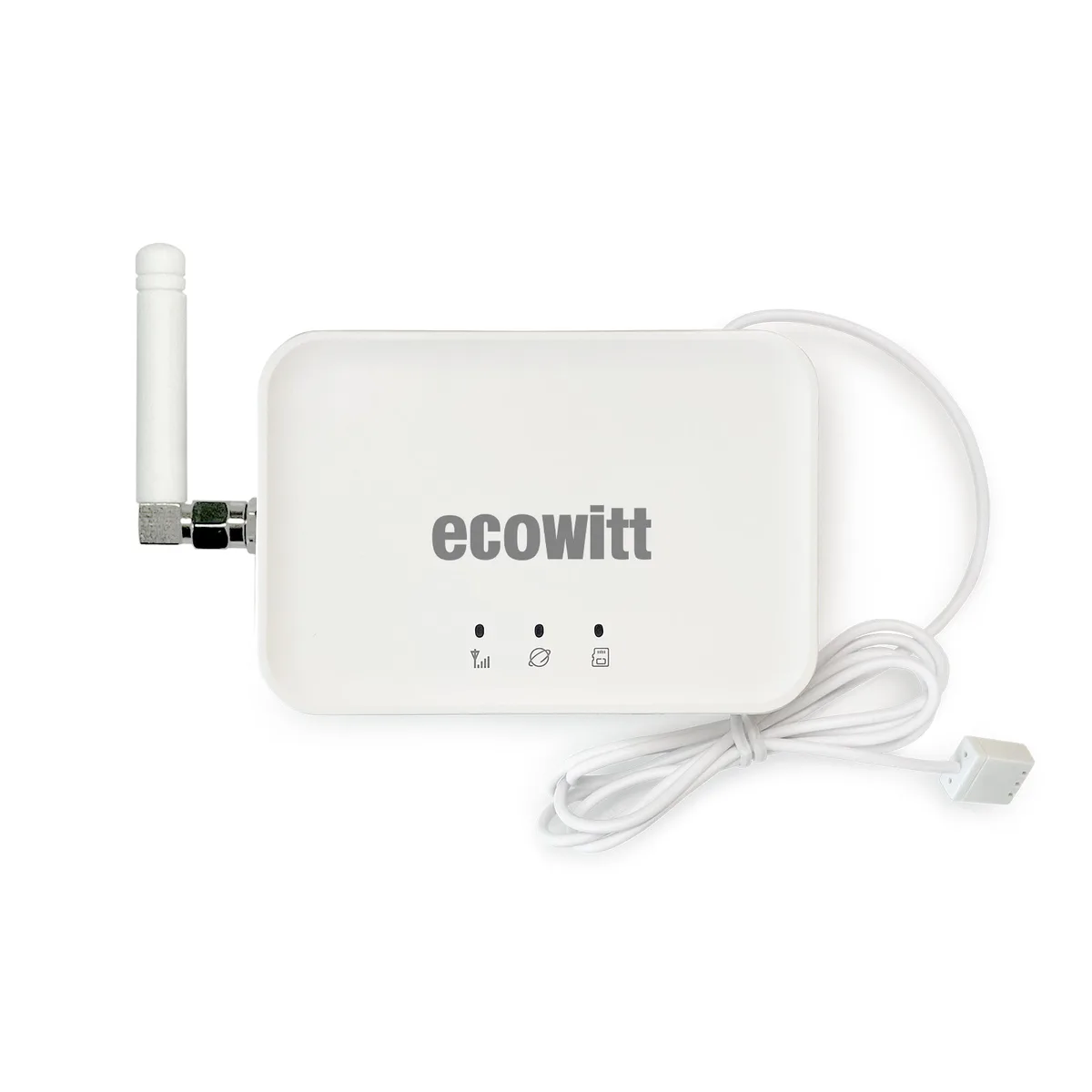
Best expandable gateway hub: GW3000 when you expect many indoor/outdoor sensors over time.
Best simple outdoor context: Ambient WS-2902 for yard weather around the greenhouse; add Ambient indoor/remote accessories only if your console SKU supports them.
Best premium outdoor Ambient: Ambient WS-5000 — separated outdoor sensors, expandable accessory ecosystem (SKU-dependent).
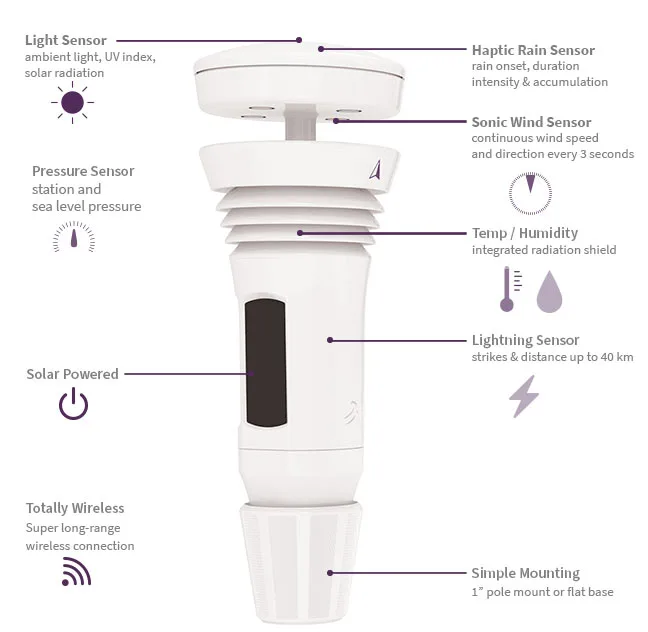
Outdoor-only alternative: Tempest for all-in-one exterior context (rain, wind, solar/UV, lightning) — not a dedicated indoor greenhouse sensor system.
Atmosiva has not independently validated greenhouse placement — shade interior probes from direct sun and follow manufacturer notes.
Who this guide is for
- Hobby greenhouses, polytunnels, and cold frames needing temp, humidity, and cold/heat awareness.
- Growers who want outdoor weather context for venting and storm days.
- Buyers adding extra indoor sensors or optional soil probes — not just one outdoor array.
What greenhouses need to monitor
Greenhouse climate swings faster than an open garden. Buyers typically need to:
- Monitor temperature swings day and night
- Track humidity buildup
- Catch cold / frost risk on clear nights
- Watch overheating on sunny days
- Compare inside conditions with outside weather
- Add extra sensors for benches, zones, or soil when needed
Start with those outcomes — not protocols or model shopping lists.
Outdoor vs inside strategy
Outdoor: a weather station for rain, wind, solar/light/UV (when available), and exterior temperature context.
Inside the greenhouse: dedicated temperature/humidity sensors near plant height (shielded from direct sun and irrigation spray).
Optional: soil moisture probes for pots/beds; multiple interior channels for different zones.
One outdoor weather station alone often will not represent interior greenhouse conditions. Do not mount an outdoor rain gauge inside the house — rainfall totals belong outside.
Fact check: Ecowitt WH40 is a rain gauge, not a thermo-hygrometer. Do not use WH40 as an indoor temp/humidity example.
Setups compared
| Product / Setup | Outdoor weather | Indoor temp/humidity expansion | Soil moisture expansion | Gateway required | Local data | Best for |
|---|---|---|---|---|---|---|
| GW2001 + indoor T/H sensors | Yes (WS90) | Yes (compatible multi-channel sensors) | Via WH51 | Included | Yes | Complete Ecowitt start |
| WS90 + gateway + indoor T/H | Yes | Yes (compatible sensors) | Via WH51 | Yes | Via gateway | Expand existing Ecowitt hub |
| GW3000 + sensors | Via outdoor sensors | Yes (compatible sensors) | Via WH51 | Gateway itself | Yes (Wi‑Fi + Ethernet) | Larger multi-zone greenhouses |
| WH51 | No | No | Yes (probe) | Yes | Via gateway | Optional root-zone pots/beds |
| Ambient WS-2902 | Yes | Optional Ambient accessories (SKU-dependent) | Optional Ambient accessories | Console included | Advanced / custom | Simple outdoor context + console |
| Ambient WS-5000 | Yes | Optional Ambient accessories (SKU-dependent) | Optional Ambient accessories | Console included | Advanced / custom | Premium expandable Ambient |
| Tempest | Yes | No dedicated greenhouse interior system | No external probes | Hub included | Yes | Outdoor context only |
Channel and accessory limits vary by gateway/console and firmware — check Ecowitt or Ambient compatibility tables before buying.
Ecowitt expandable path
WS90
The WS90 is an outdoor weather sensor. It needs a compatible gateway. It is not an indoor greenhouse sensor — use it for exterior rain/wind/solar/temp context.
GW2001 (WS90 + GW2000)
The GW2001 is the complete start path: outdoor WS90 plus GW2000. Add compatible interior thermo-hygrometers for the greenhouse.
GW3000
The GW3000 is gateway-only (Wi‑Fi + Ethernet, microSD options) — a strong expansion hub when you add many indoor and outdoor sensors.
Interior thermo-hygrometers
For inside the greenhouse, use compatible dedicated temperature/humidity sensors documented for your gateway — for example Ecowitt WN31 / WH31-class multi-channel sensors (confirm current Ecowitt compatibility for GW2000/GW3000 and your RF region). WH32 / WN32-class sensors are typically positioned as primary outdoor thermo-hygros, not as generic multi-zone indoor extras — choose the model that matches your intended channel role.
WH51 (optional)
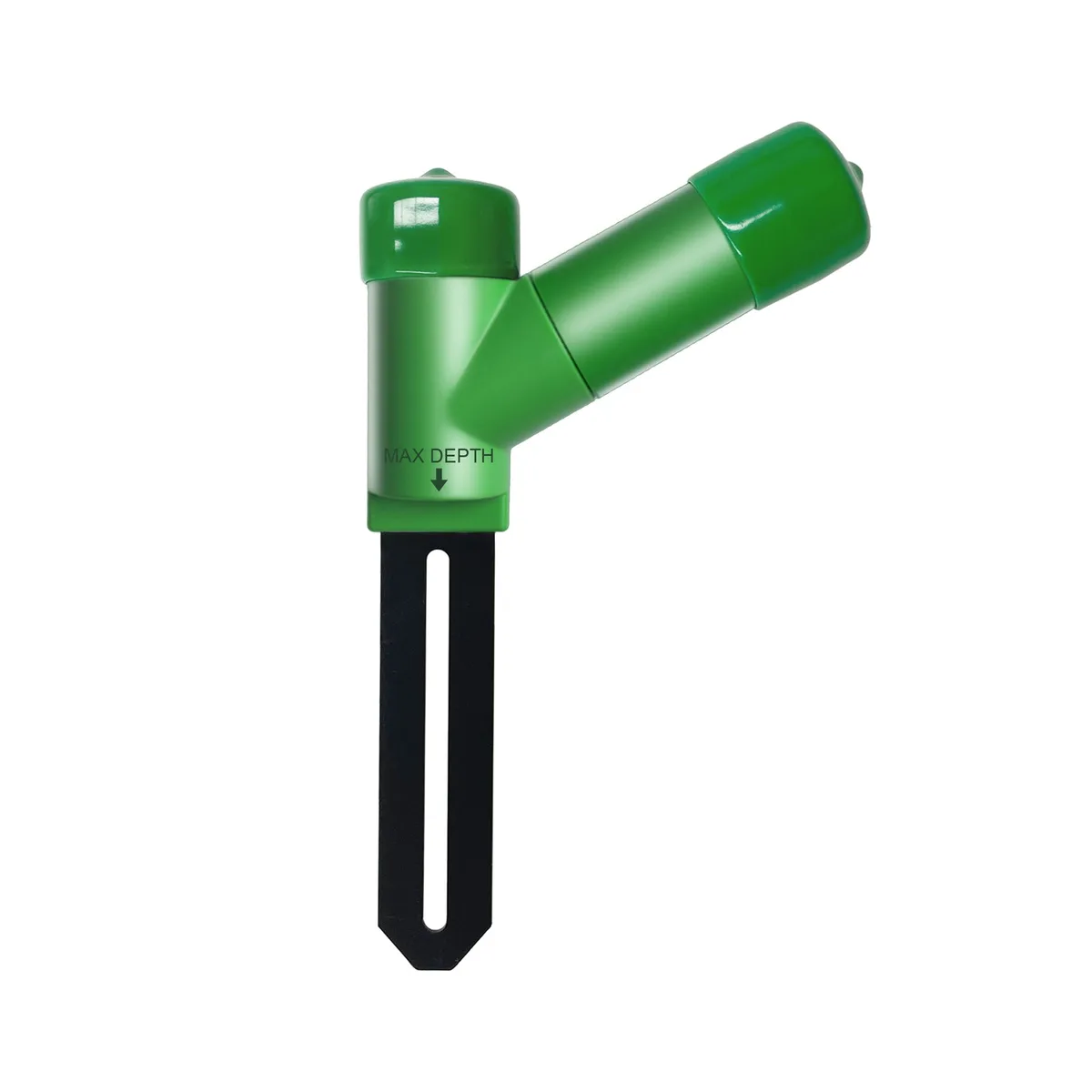
The WH51 is an optional soil moisture accessory for pots, beds, or root zones. Gateway required; no direct Home Assistant, Wi‑Fi, or LAN on the probe.
Ambient outdoor context
WS-2902 is a straightforward way to watch outdoor conditions around the greenhouse with a color console and cloud monitoring.
WS-5000 is the premium Ambient path: separated outdoor sensors, ultrasonic wind, expandable accessories. The standard console is Wi‑Fi — do not assume Ethernet. Extra indoor or soil sensors only if your console SKU lists compatible accessories — verify before buying. Compare: WS-2902 vs WS-5000.
Neither Ambient station replaces a dedicated interior climate plan by itself.
Tempest outdoor context
Tempest is useful for outdoor weather context (including lightning and solar/UV). It has no external soil probes and is not a dedicated greenhouse interior sensor system. Keep it when you mainly need yard weather; pair separate interior monitors if the greenhouse is the priority. Compare modular vs all-in-one: Ecowitt vs Tempest.
Frost, heat & humidity
Use interior lows and humidity to watch frost risk and cold snaps — do not treat any consumer station as an exact frost predictor. Watch daytime highs for overheating, humidity buildup for mold/venting cues, and outdoor wind/solar for ventilation timing. Placement matters: sensors near canopy height, out of direct sun.
Atmosiva does not publish plant-specific agronomy thresholds here.
Optional soil moisture
Air humidity is not the same as root-zone moisture. Optional WH51 probes help pots and beds; gateway required; the sensor does not control irrigation valves. Details: soil moisture guide. For watering automation paths: irrigation guide.
Automation (secondary)
A weather station does not directly control fans, vents, heaters, or valves by itself. Alerts and device control usually run through a gateway / smart-home platform you configure separately. If connectivity is the buying question, see Smart Weather — keep this guide focused on greenhouse monitoring hardware.
Buyer checklist
- Plan inside temp/humidity sensors separately from the outdoor array.
- Pick outdoor context: Ecowitt GW2001/WS90, Ambient console, or Tempest.
- Confirm thermo-hygro accessory compatibility (and RF region) for your hub.
- Add WH51 only if pots/beds need root-zone data.
- Place interior sensors out of direct sun; re-check after moving benches or shade cloth.
Related reading
Start at Garden & Irrigation, then gardeners, soil moisture, or irrigation guides as needed.